(to 28/02/2022)
(to 28/02/2022)
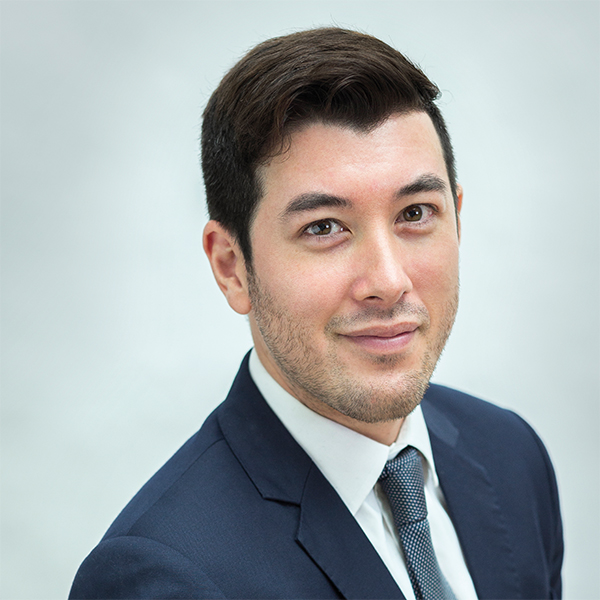
Another new entrant in the top 10 is EFG Asset Management’s Chris Chan. Chan joined the company as an equity analyst in 2015 and later started managing funds through its New Capital platform. The largest strategy under his watch is the $593m (€554m) Asia Future Leaders fund, which he has overseen since it was launched in 2018.
‘The strategy follows a quality growth approach with a particular focus on finding companies with the highest quality management teams with a track record of innovation and a pathway for strong, multi-year growth,’ Chan said.
‘While this often leads us to current market leaders, we find some of the best return potential comes from those “emerging leaders” that are gaining share from incumbents and have far greater potential in improving their return on equity.’
SMALL-CAP BOOSTERS
Chan said he operates with an all-cap approach, but an array of smaller names have come to light in recent years, which have presented intriguing alpha opportunities.
In addition, Chan said capturing nascent trends, such as electric vehicles and solar supply chain companies, has aided performance, especially when accessing those in the A-shares universe.
NAVIGATING RISING RATES
The changing macro environment could have some implications for how Chan operates in the near term at least.
‘As a growth focused fund, higher US interest rates may continue to pressure such stocks in favour of value stocks, and if global growth slows, we could see a further shift into defensive dividend yield stocks.
‘If this transpires, we would look to increase weightings in existing holdings that have less economically sensitive business models such as consumer staples and healthcare while focusing on markets that have less global (export) exposure and have potentially more post lockdown recovery, such as Asean markets.’